Voice Finance
Groceries: where the money actually leaks
Wasted food, extra shop visits and buying prepared instead of basic cost more than price differences do. What to change, and in which order.
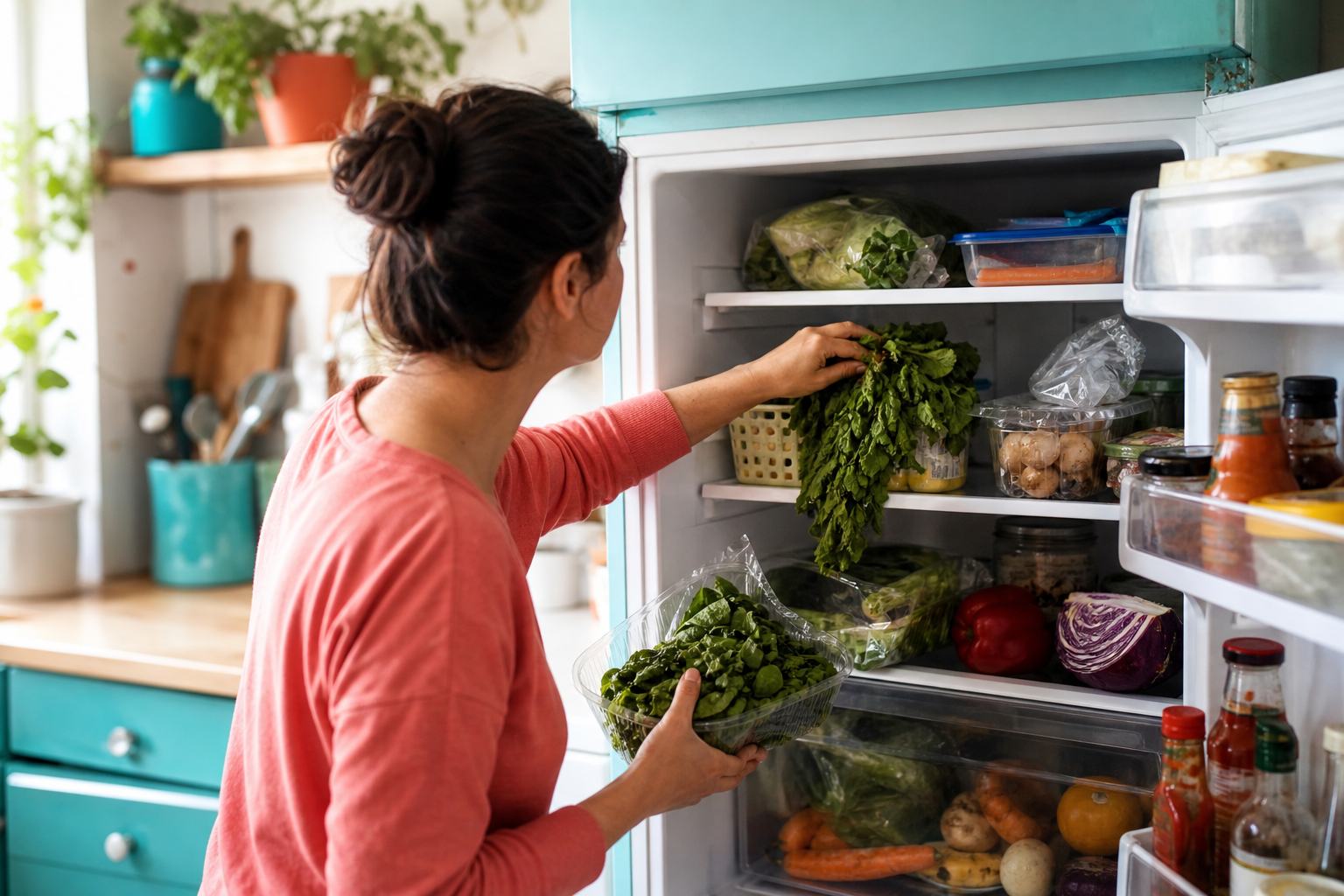
Food is the largest controllable category for almost everyone. It’s also the most common target for economising, because it feels like the reserve must be in there somewhere.
The reserve is genuinely there. It just isn’t where people usually look. They start comparing prices and switching to cheaper brands, while the real losses happen before the till and after it.
Three places the money goes
Food thrown away. Bought and uneaten is a hundred percent loss, unlike buying something slightly pricier where you at least received it. The usual casualties are herbs, dairy, bread, and whatever was bought to try.
It’s hard to notice, because throwing food away leaves no trace in your records: the expense was logged, the loss wasn’t.
Extra trips to the shop. Every visit adds purchases that weren’t planned. Five short runs across a week cost more than one large shop covering the same basics.
The mechanism is simple: the more often you’re in a shop, the more decisions you make, and any decision can end in an unplanned purchase.
Prepared instead of basic. Pre-cut, pre-marinated and ready-to-heat cost noticeably more than the ingredients. Sometimes that difference buys back genuine time. Sometimes it’s pure inertia.
The order to work in
Measure first, change second. Otherwise you’ll economise where there’s no problem.
Start with frequency. How many times did you buy groceries last month? Above twelve, your main reserve is in the number of visits rather than in prices.
Then look at the average purchase. If it’s rising at a steady frequency, the basket changed, and the question is selection rather than trip count. Calculating both is covered in three spending metrics.
Third, spend a week noting what you throw out. Not amounts, just items. After seven days it becomes clear what fails to reach a plate, and in what quantity.
Only after those three does discussing prices and brands make sense, and by then it usually turns out prices weren’t the issue.
What genuinely works
A list and one shop a week. The dullest recommendation and the most effective. The list solves unplanned purchases; one trip instead of five reduces the occasions on which the list gets broken.
Planning two or three dinners rather than the whole week. Complete seven-day menus get written once and abandoned. Two or three specific dinners are realistic and cover most of the problem: you shop for those rather than for “something.”
Checking the fridge before writing the list. Three minutes that eliminate duplicates. What usually surfaces is that half the herbs are already there and yesterday’s purchase is untouched.
Buying basics instead of prepared where you don’t mind the time. Where you don’t mind specifically. If cooking takes energy you haven’t got, the saving reappears as delivery two days later.
Freezing what you won’t get through. Bread, herbs, meat, cooked portions. One of the few techniques that cuts losses without changing any habits.
What to avoid
Switching to the cheapest of everything. Food is the case where a cut returns later under a different heading, covered in the latte myth.
Driving to a distant shop for the prices. Count the travel and the time: on an ordinary basket the difference rarely covers them, and the irritation accumulates.
Stocking up on perishables. A discount on something that spoils is a discount on what you’ll probably throw away.
Counting pennies on the receipt. Fifty cents between brands won’t move your month, and the attention spent comparing is better aimed at visit frequency.
Eliminating prepared food entirely. One or two ready meals a week for hard days cost less than delivery on the same evening.
About promotions
A discount counts as saving under one condition: you were going to buy it anyway.
If something entered the basket because it was reduced, you spent money rather than saving it. The gap between “bought it cheaper” and “bought something surplus cheaper” is enormous, and a receipt doesn’t show it.
The test is simple: was it on your list? If yes, the discount is a gain. If no, the question is whether you need it at all, and the price is irrelevant. The mechanics are in discounts and cashback.
Measuring the result
Grocery savings show up poorly in a monthly total, because the category is noisy: a week with visitors or one trip to an expensive shop drowns the effect.
Watch two things across three months instead. Purchases per month and average purchase. If visits fell while the average held, you’re moving the right way even if the total hasn’t dropped yet.
And separately: how much gets thrown away. That’s the one metric where reducing to zero is a clean gain with no trade-off attached.
Start with one week
Change nothing. Just record two numbers for a week: how many times you entered a shop, and what you threw out.
After seven days you’ll know where your own reserve is, and for most people it’s in visit frequency rather than in prices. What to do with the money so it doesn’t dissolve is covered in saving when there’s nothing spare.
Related articles
- Budgeting 7 min read
Wasteful spending isn't expensive spending
The four places pointless charges hide, a half-hour audit of three months of records, and why reducing beats banning when you actually want it to stick.
- Tracking basics 7 min read
Total, frequency, average: three metrics and three different decisions
The same total assembles in different ways, and what you do about it depends on which. How to calculate three metrics and what each combination is telling you.
- Budgeting 7 min read
The latte myth: why cutting small purchases usually misses the point
The annual figure on daily coffee is impressive and no decision follows from it. Where the advice works, where it backfires, and why one large line beats a hundred small ones.