Voice Finance
Voice entry at the till, in the car and on the move: what works where
At the till, driving, walking, in a café, in an open-plan office. Where voice beats the keyboard, where it fails, and what to do when saying an amount aloud is awkward.
Voice entry usually gets evaluated in silence, sitting at home. It is genuinely convenient there, and that’s also precisely where it isn’t needed: at home you have time to open the app and type everything.
Voice earns its place elsewhere — where your hands are busy, there’s no time, and half an hour later you won’t recall either the amount or what it was for. Worth going through those places one at a time.
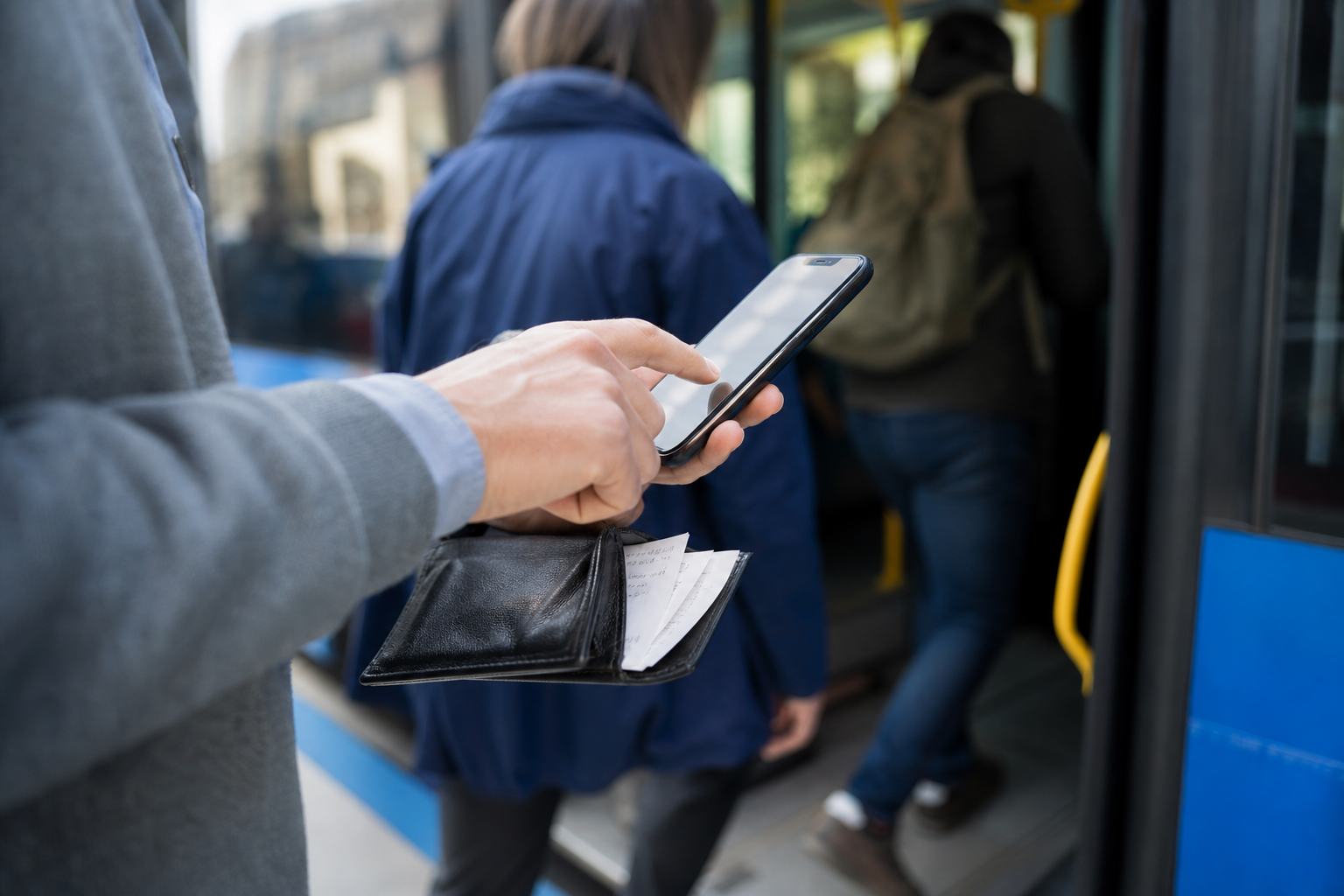
At the till
The most frequent situation and the one voice wins most clearly.
The timing is exact: the card is away, the phone is in your hand, and you remember both the amount and what you bought. Ten minutes later the second part has already blurred into “something at the shop.”
The phrase here should be as short as possible. “Groceries eighty-two” is a complete entry. There’s no need to itemise the receipt: it won’t change any conclusion and it takes four times as long.
The only awkwardness is the queue behind you. Step aside — it takes about as long as putting the card away.
In the car
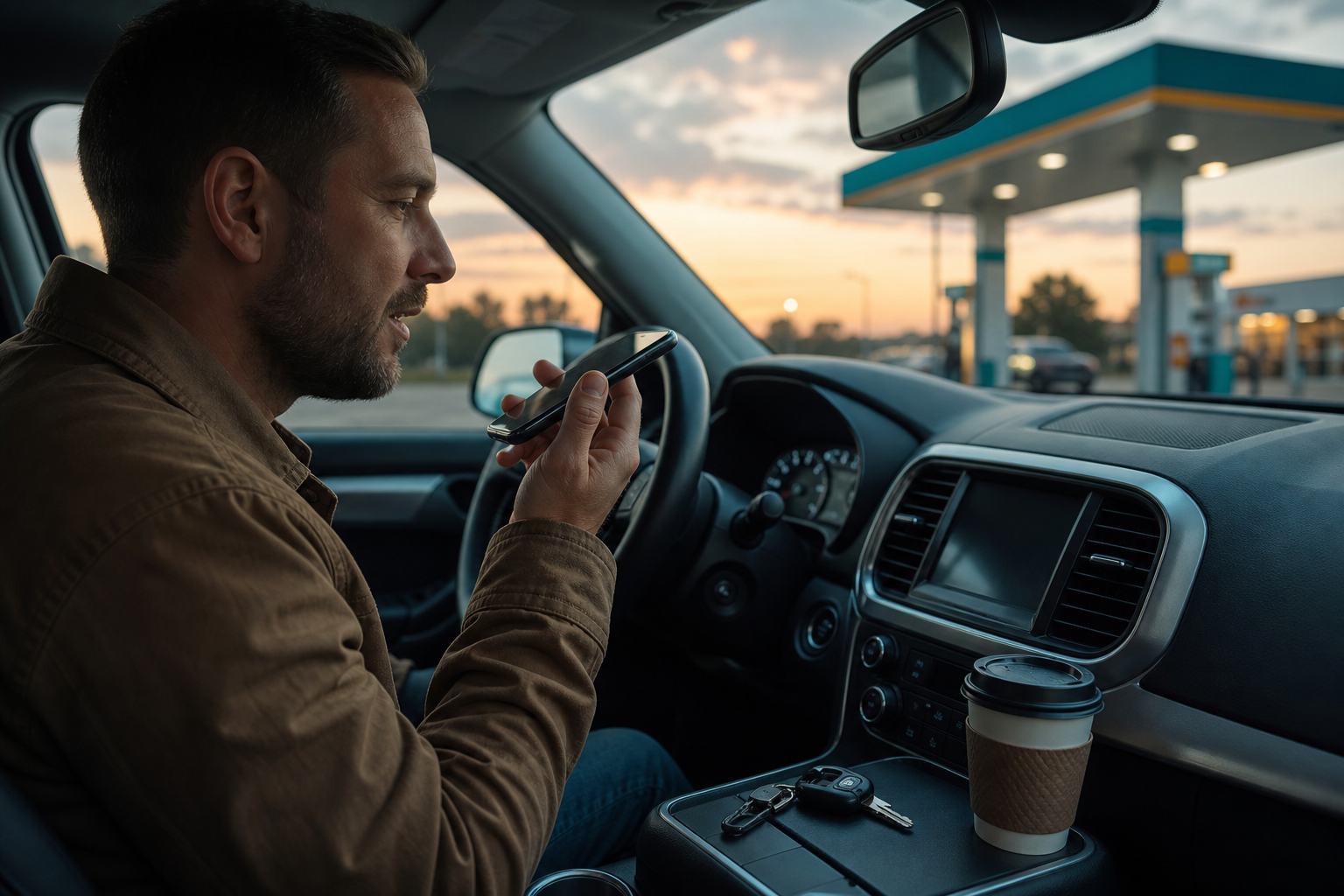
Here voice isn’t merely more convenient, it’s the only option.
Fuel, parking, a car wash, a toll — all paid at moments when typing isn’t available. Say the phrase right after paying, without touching the screen again.
A practical detail: give the amount however comes naturally, but you can drop the name of the station. “Fuel sixty” recognises more reliably than a specific brand, and for your reporting the difference is nil.
And the obvious point that still matters: do it parked or at a red light, not while moving. The entry can wait a minute.
Walking
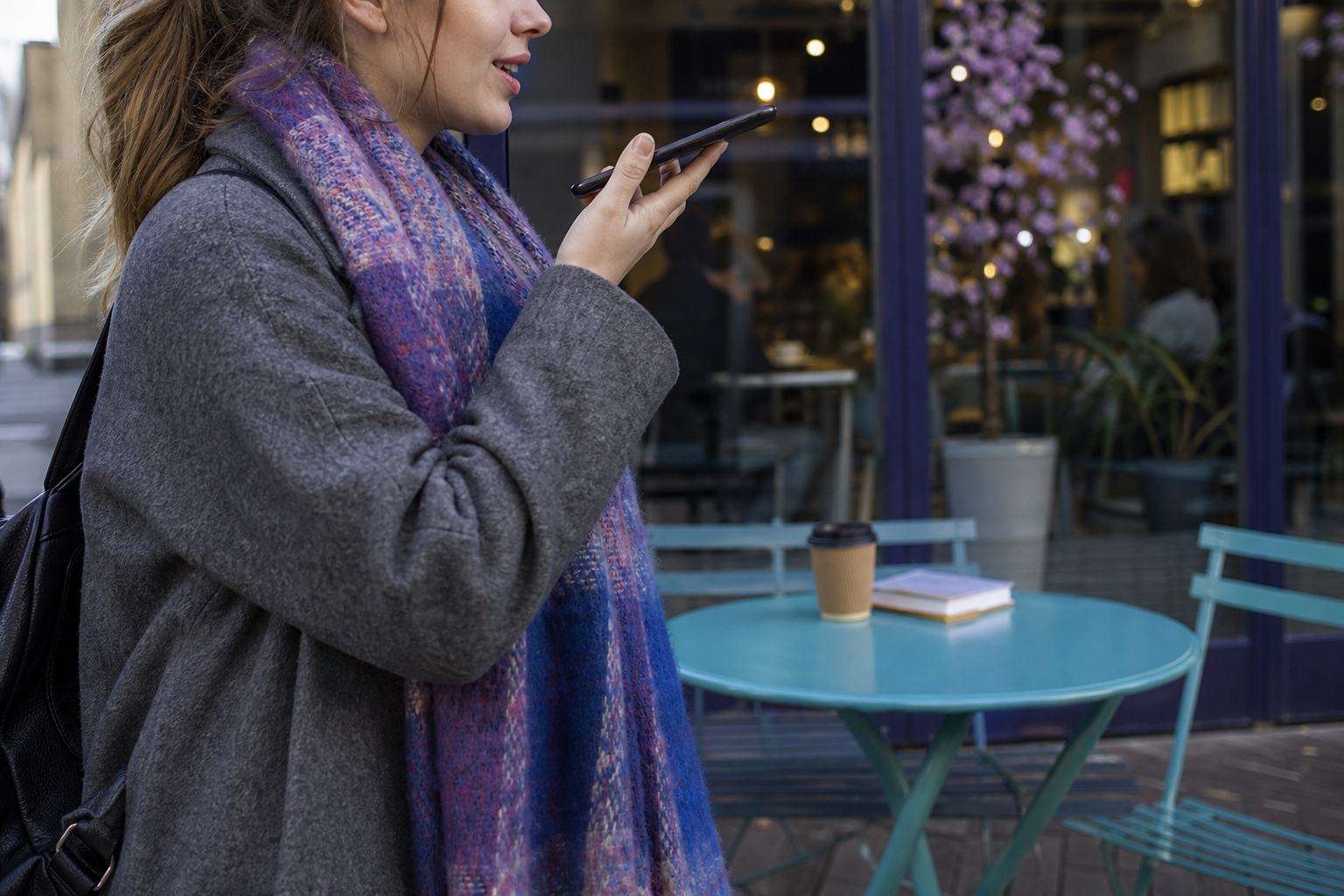
The street is the hardest environment for speech recognition. Wind, traffic, other people’s conversations.
What helps: hold the phone closer to your face, roughly an arm’s length rather than at waist height. Speak at your normal pace, because slowed-down dictation recognises worse than ordinary speech.
Cut the phrase to the bone. Two words and a number get through noise far better than a sentence with qualifiers.
If it misrecognises twice running, don’t try a third time. Typing is faster, and both methods sit on the same screen, as covered in adding an expense fast.
In a café, with other people
The question here isn’t recognition, it’s comfort.
An amount said out loud is audible to everyone at the table. Sometimes that’s fine and sometimes it isn’t, particularly if you covered a shared bill and would rather not discuss the figure.
A sensible approach: record by voice immediately if it’s appropriate, and if it isn’t, record at the first moment you’re alone. “First moment” is the operative part, because an entry postponed to the evening almost always loses detail.
Shared bills are worth capturing straight away in any case, while you still remember who owes what. How to record those amounts is in tracking money between friends.
In an open-plan office
A situation where voice generally loses, and that’s fine.
Dictating amounts in front of colleagues is uncomfortable even for people with nothing to hide. Text entry is objectively better suited here.
There’s a middle option: accumulate the day’s purchases and dictate them in one phrase on the way home. “Lunch fifteen, coffee four twenty, taxi eleven” is three entries in five seconds. A day’s delay costs some accuracy, though nothing like what a weekly catch-up costs.
At home in the evening
The one situation with no time pressure, and voice gets used differently here.
Evenings suit filling in what didn’t get recorded during the day, and spoken dates earn their keep. “Yesterday, subscription twelve” saves against yesterday’s date, keeping the monthly picture correct.
The second use is large purchases you deliberated over. Those are worth saying in full, with a name and a date, because you’ll be identifying them in your history months later.
Just don’t let the evening become your only recording time. Deferring entries to the end of the day is the most common reason tracking fades out, covered in the habit of recording.
Where voice doesn’t fit
Worth listing honestly.
Meetings, libraries, a late evening in a flat with thin walls. No technical obstacle, purely a practical one.
Purchases you’d rather not say aloud in anyone’s presence. Text wins there without argument.
Amounts you don’t know precisely yet. You settled a bill with a tip and can’t recall the total, say. Easier to open the bank notification and type the number.
Very long lists. Five or six entries in a row noticeably raise the chance that some of them merge, and checking takes longer than the voice saved. Two or three is the reliable size.
Choosing a method in one second
A simple rule that removes the deliberation.
If you’re standing, your hands are occupied, and nobody nearby would mind hearing an amount, speak. That’s most situations outside the house.
If you’re seated, surrounded by people, or the entry needs several qualifiers, type. That’s most situations indoors.
The difference between the methods is measured in seconds; the difference between “recorded now” and “I’ll record it later” is measured in whether the entry exists at all. Which is why the choice should be quick and unregretted — and the basics of building a phrase are collected in logging expenses by voice.
Related articles
- Tools 7 min read
Logging expenses by voice: phrasing that works the first time
The shortest phrase that works, free word order, several purchases in one breath. Where recognition struggles, when typing wins, and what to know about privacy.
- Tools 6 min read
Ten seconds is the threshold where expense tracking dies
Speeding up an entry means removing steps, not hurrying. Four methods with timings, habits that work in any app, and the cases where the full form is worth opening.
- Tracking basics 7 min read
What you can spend today: a daily number instead of a monthly balance
Your monthly balance says nothing at the checkout. How to work out today's number, why it must be recalculated daily, and what to do on a day you blow past it.